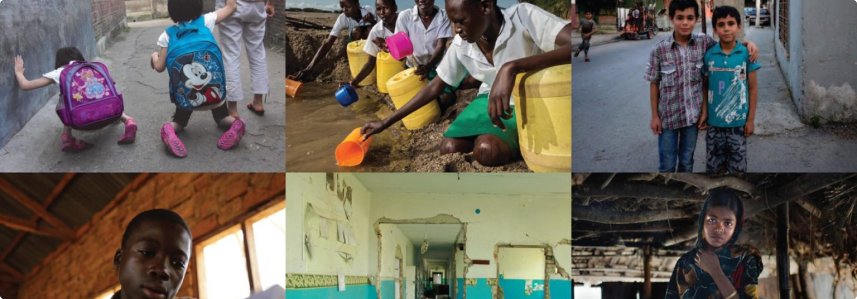
How Deficient Education Impacts Negatively On The Society
Sylvanus Maria Mgbechukwu, Author, Activist, Freelance Writer, is the founder of Brain Ability Development Initiative, a forum committed to assisting people, especially the youths, by enlightening, inspiring, mentoring, awakening and helping them to discover, harness and exploit their talents to maximize theirpotentials.
Deficient education, characterized by inadequate resources, outdated curricula, ineffective teaching methods, and limited access to quality education, can have profound and far-reaching negative impacts on society. Here are some ways in which deficient education can detrimentally affect society:
First, deficient education begets limited economic opportunities. Education is often referred to as the “great equalizer,” providing individuals with the knowledge, skills, and credentials needed to access economic opportunities and improve their standard of living. However, deficient education systems fail to equip students with the competencies required to compete in the job market, perpetuating cycles of poverty and socioeconomic inequality.
Second,deficient education begets underdevelopment and economic stagnation. A poorly educated workforce hampers economic development and innovation, as it lacks the skills and expertise needed to drive productivity and growth. Inadequate education systems hinder the development of a skilled labor force, stifling entrepreneurship, technological advancement, and foreign investment, thereby impeding economic progress and perpetuating underdevelopment.
Thirdly,deficient education begets social inequality and marginalization. Deficient education exacerbates social inequality and marginalization, as disadvantaged groups are disproportionately affected by inadequate access to quality education. Marginalized communities, including ethnic minorities, rural populations, and individuals with disabilities, face barriers such as lack of access to schools, inadequate infrastructure, and discriminatory practices, perpetuating cycles of poverty and exclusion.
Fourth,deficient education begets diminished civic engagement and participation. Education is essential for fostering informed citizenship, critical thinking, and civic engagement. However, deficient education systems fail to instill these skills and values in students, leading to apathy, disengagement, and disillusionment with the political process. Inadequately educated citizens areless likely to participate in democratic governance, advocate for social change, or hold elected officials accountable, weakening the foundations of democracy and civil society.
Furthermore,deficient education begets health disparities and public health challenges. Education is closely linked to health outcomes, as individuals with higher levels of education tend to lead healthier lifestyles, make informed health-related decisions, and access preventive healthcare services. Deficient education contributes to health disparities and public health challenges, as individuals with limited education are more likely to engage in risky behaviors, experience chronic health conditions, and face barriers to healthcare access.
And lastly,deficient education begets rime and social instability. Lack of access to quality education is a risk factor for involvement in criminal activities, as individuals with limited educational opportunities are more vulnerable to unemployment, poverty, and social exclusion. Deficient education systems fail to provide students with the skills, support, and opportunities needed to succeed, increasing the likelihood of delinquency, substance abuse, and involvement in criminal networks, thereby contributing to social instability and insecurity.
In view of the aforementioned, it is indisputable that deficient education has profound and multifaceted negative impacts on society, perpetuating cycles of poverty, inequality, and social exclusion.
Addressing the root causes of deficient education, including inadequate funding, inequitable access, and ineffective teaching practices, is essential for fostering inclusive growth, promoting social mobility, and building resilient, prosperous, and equitable societies.