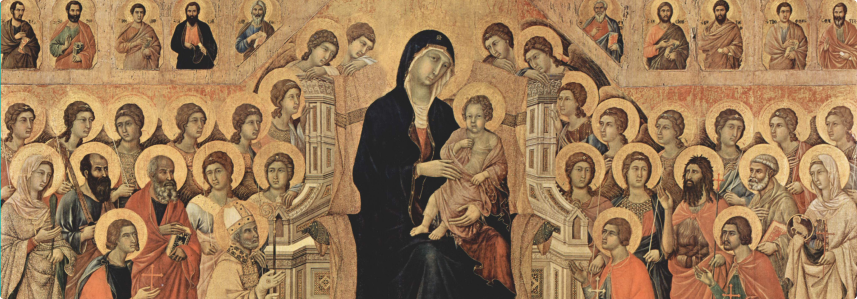
20 Powerful Saints in Christian History
Sylvanus Maria Mgbechukwu, Researcher, Poet, Author, Activist, Administrator and Writer, is the founder of Direction Initiative (D.I.), and BestAdviceForAll.Com,a forum and platform dedicated and committed to Rectitude and Truth, where people could find Illumination, Direction, Sound Advice, Guidance, Inspiration, Tips, Assistance, Support Or Help, to guide them in this “modern” world that have become a dark jungle and forest of dangerous ideas, philosophies, learning, lies, propaganda and miseducation that sink or ruin unenlightened people.
Christian history is filled with remarkable individuals who have been recognized for their holiness, dedication, and influence. Saints have played significant roles in shaping the faith, inspiring countless believers, and performing acts that are considered miracles. Here are 20 powerful saints who have left an indelible mark on Christianity.
1. Saint Peter (Died c. 64 AD)
Saint Peter, originally a fisherman named Simon, was one of Jesus’ twelve apostles and is considered the first Pope of the Catholic Church. He played a crucial role in the early Christian community and is revered as the rock upon which Jesus built his Church.
2. Saint Paul (Died c. 67 AD)
Saint Paul, formerly known as Saul of Tarsus, was a persecutor of Christians before his dramatic conversion. He became one of the most influential apostles, spreading Christianity through his missionary journeys and epistles, which form a significant portion of the New Testament.
3. Saint Augustine of Hippo (354-430 AD)
Saint Augustine was a theologian and philosopher whose writings, including “Confessions” and “The City of God,” have profoundly influenced Western Christianity and philosophy. His thoughts on grace, free will, and original sin are foundational to Christian theology.
4. Saint Francis of Assisi (1181-1226)
Saint Francis of Assisi founded the Franciscan Order and is known for his deep love of nature, poverty, and simplicity. His life of humility and devotion to Christ has inspired countless followers, and he is the patron saint of animals and the environment.
5. Saint Thomas Aquinas (1225-1274)
Saint Thomas Aquinas was a Dominican friar and theologian whose work “Summa Theologica” systematically presented Christian theology. His synthesis of Aristotelian philosophy and Christian doctrine has made him one of the most influential figures in Western thought.
6. Saint Teresa of Ávila (1515-1582)
Saint Teresa of Ávila was a Spanish mystic, Carmelite nun, and reformer of the Carmelite Order. Her writings on prayer and contemplation, such as “The Interior Castle,” have had a lasting impact on Christian spirituality.
7. Saint John of the Cross (1542-1591)
Saint John of the Cross was a Spanish mystic and poet who, alongside Saint Teresa of Ávila, reformed the Carmelite Order. His works, including “The Dark Night of the Soul,” explore the soul’s journey towards union with God.
8. Saint Patrick (c. 385-461 AD)
Saint Patrick is the patron saint of Ireland, credited with converting the Irish to Christianity. His missionary work, legends of driving snakes out of Ireland, and the use of the shamrock to explain the Trinity are central to Irish Christian heritage.
9. Saint Catherine of Siena (1347-1380)
Saint Catherine of Siena was a mystic and theologian who worked tirelessly for the Church’s unity and reform. Her letters and “The Dialogue” offer profound spiritual insights, and she played a key role in persuading the Pope to return to Rome from Avignon.
10. Saint Benedict of Nursia (c. 480-543 AD)
Saint Benedict is the father of Western monasticism, known for his “Rule of Saint Benedict,” which laid the foundation for monastic life in the Western Church. His emphasis on prayer, work, and community life has influenced Christian monasticism profoundly.
11. Saint Joan of Arc (1412-1431)
Saint Joan of Arc, a peasant girl, led French forces to significant victories during the Hundred Years’ War, claiming divine guidance. She was eventually captured and martyred, later becoming a symbol of French unity and a canonized saint.
12. Saint Ignatius of Loyola (1491-1556)
Saint Ignatius of Loyola founded the Society of Jesus (Jesuits), an order dedicated to education, missionary work, and the defense of the faith. His “Spiritual Exercises” are a cornerstone of Ignatian spirituality.
13. Saint Dominic (1170-1221)
Saint Dominic founded the Dominican Order, known for its emphasis on preaching, education, and combating heresy. His commitment to poverty and learning has made a lasting impact on the Church.
14. Saint Mary Magdalene
Saint Mary Magdalene is one of Jesus’ most devoted followers, present at His crucifixion and the first to witness His resurrection. Her role in the Gospels has made her a powerful symbol of repentance and grace.
15. Saint Nicholas (c. 270-343 AD)
Saint Nicholas, Bishop of Myra, is known for his generosity and miracles, including resurrecting children and providing dowries for poor girls. He is the inspiration behind the modern-day figure of Santa Claus.
16. Saint Anthony of Padua (1195-1231)
Saint Anthony of Padua was a Franciscan friar known for his powerful preaching and expert knowledge of Scripture. He is the patron saint of lost items, and countless believers have prayed for his intercession.
17. Saint Thérèse of Lisieux (1873-1897)
Saint Thérèse, known as the “Little Flower,” lived a life of simple devotion and love. Her autobiography, “Story of a Soul,” details her “Little Way” of spiritual childhood and trust in God, making her one of the most beloved saints.
18. Saint Elizabeth Ann Seton (1774-1821)
Saint Elizabeth Ann Seton was the first native-born American to be canonized. She founded the Sisters of Charity and established the first free Catholic school for girls in the United States, significantly impacting Catholic education.
19. Saint John Paul II (1920-2005)
Pope Saint John Paul II was one of the most influential popes of the 20th century. His efforts in improving interfaith relations, extensive travels, and role in the fall of communism in Eastern Europe are part of his powerful legacy.
20. Saint Pio of Pietrelcina (1887-1968)
Known as Padre Pio, Saint Pio was a Capuchin friar who bore the stigmata and was known for his piety, charity, and the gift of healing. His life and miracles continue to inspire and draw pilgrims to his shrine in Italy.
These 20 saints exemplify the diversity and depth of Christian spirituality, each leaving a unique legacy of faith, service, and devotion. Their lives and works continue to inspire millions around the world, demonstrating the enduring power of sanctity and devotion in shaping history and faith.